Boiler Valves Open or Closed: What You Need to Know
Most boiler valves should be open during normal use, with the filling loop valve being the key exception, open it temporarily to top up pressure, then close it straight after.
But knowing which valve does what, and when to open or close it, is something many homeowners are unsure about. Boiler valve positions vary depending on your boiler type and brand, and each valve plays a role in how your heating system runs. Getting the position wrong can lead to pressure loss, no heating or a breakdown, and filling loop valves left open by mistake are one of the most common causes of boiler pressure problems.
In this blog, we cover every boiler valve position, when to open or close them, and what to do if something goes wrong.
How Do You Tell If a Boiler Valve Is Open or Closed?
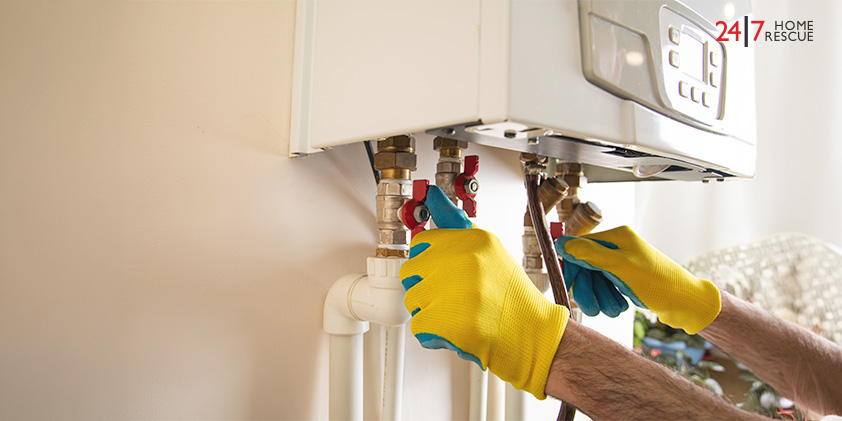
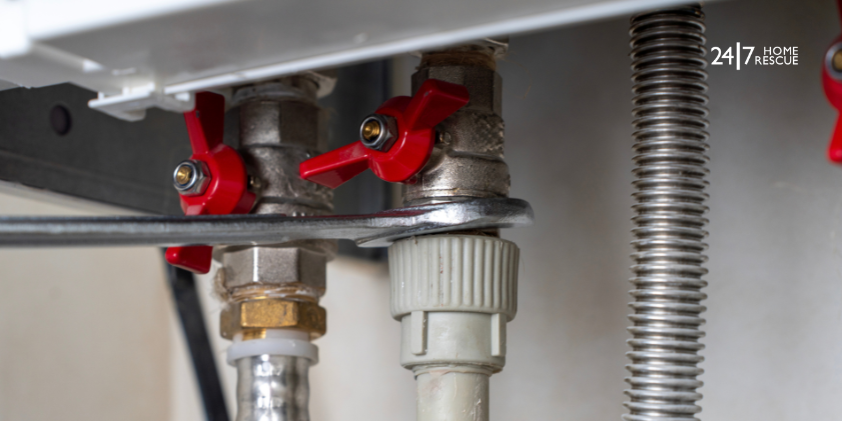
The easiest way to tell is by looking at the valve handle in relation to the pipe. If the handle runs parallel to the pipe, the valve is open, and water is flowing through. If the handle sits perpendicular to the pipe, at a 90-degree angle, the valve is closed, and flow is blocked.
This applies to most standard boiler valves including isolation valves, gate valves and filling loop valves. Some older valves may have a screw-top rather than a handle, in which case turning it anticlockwise opens it and clockwise closes it.
Should Boiler Valves Be Open or Closed?
For most boiler valves, open is the correct position during day-to-day use. This includes the main valves on your boiler and any isolation valves on radiators or pipework, which should remain open unless a repair is being carried out.
The filling loop valve is the one exception, it should always remain closed and only opened briefly when your boiler pressure needs topping up.
What Position Should Combi Boiler Valves Be In?
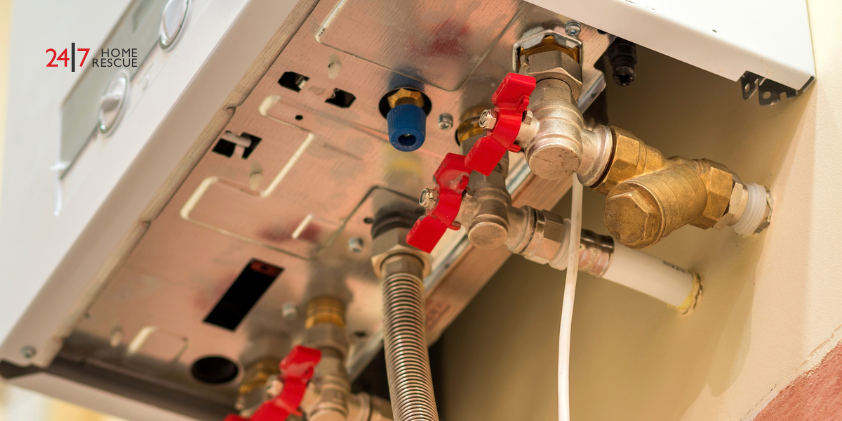
Combi boiler valve positions are straightforward once you know how a combi boiler works.
The flow and return valves should remain open at all times, controlling the flow of hot water to your taps and heating system through the combi boiler pipes that run throughout your home.
The service valves, also found beneath the boiler, should remain open and are only closed when an engineer needs to isolate the boiler for servicing or repair.
The filling loop valves are the only exception, opened temporarily to repressurise the system and closed again immediately after.
Should the Filling Loop Valve Be Open or Closed?
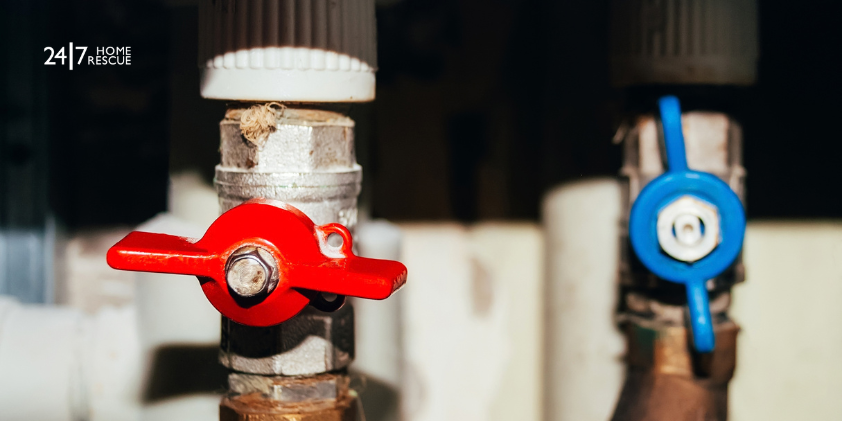
The filling loop valve should always remain closed unless your boiler pressure drops below the recommended level, usually between 1 and 1.5 bar.
Once the pressure gauge reads the correct level, close the filling loop valve immediately. Leaving it open causes pressure to keep rising which can trigger a boiler fault. If you find yourself topping up pressure regularly, an annual boiler service can help identify the underlying cause before it becomes a bigger problem.

Boiler Service
Ensure your boiler runs efficiently and safely with our professional boiler servicing. Regular maintenance will save you money in the long run and potentially prevent breakdowns.
What Happens If a Boiler Valve Is Left in the Wrong Position?
The consequences depend on which valve is left in the wrong position. A flow or return valve left closed will stop hot water circulating, resulting in no heating or hot water. An isolation valve closed on a radiator will simply stop that radiator from working.
The filling loop valve is the most critical one to get right. Left open, it continuously feeds water into the system, causing pressure to rise beyond the safe limit. This can trigger a boiler fault, cause the pressure relief valve to discharge, or affect your combi boiler flow rate and hot water supply.
If your boiler has shut down due to overpressure or a valve issue, check which valves are in the wrong position first before booking a boiler repair.

Boiler Repair
Book your boiler repair online and save time and effort. Our certified engineer will provide you with hassle-free assistance.
Conclusion
Boiler valve positions are something every homeowner should have a basic understanding of. In most cases, keeping your valves open during normal use and closing the filling loop immediately after repressurising is all you need to know.
If your boiler is losing pressure regularly, shutting down unexpectedly or not heating properly, a valve left in the wrong position is often the first thing worth checking. If the problem persists, rather than continuing to adjust valves yourself, it is worth getting a Gas Safe registered engineer to take a look. 24|7 Home Rescue has engineers available across the UK ready to diagnose and fix boiler faults. Whether it is a valve issue, a pressure problem or something more complex, having the right boiler cover in place means you are covered for repairs, callouts and parts when you need it most.

Boiler Insurance You Can Trust
Get boiler breakdown and landlord cover including free annual boiler service.
Choose your policy type
Frequently Asked Questions
Should Boiler Taps Be Open or Closed?
Boiler taps, also known as service valves, should be open during normal use. They are only closed when an engineer needs to isolate the boiler for a repair or service.
Can I Adjust Boiler Valves Myself?
Most boiler valves such as isolation valves and filling loop valves can be adjusted by a homeowner. However, if you are unsure or the valve appears damaged, contact a Gas Safe registered engineer rather than forcing it.
Why Is My Filling Loop Stuck?
A filling loop valve can seize if it has not been used for a long time. Do not force it as this can cause a leak. A boiler repair engineer can free or replace a seized filling loop valve safely.
What Type of Boiler Do I Have?
Check your boiler model on the front panel or in your manual. If you are unsure, our guide to different types of boilers can help you identify whether you have a combi, system or conventional boiler.
Do Ideal, Baxi and Vaillant Boilers Have Different Valve Positions?
The valve positions are the same across all three brands flow and return open, filling loop closed during normal use. The location and appearance of the filling loop differs slightly. If you have an Ideal boiler, see our guide on how to reset an Ideal Logic Combi boiler if it locks out after repressurising.
Do Combi and System Boilers Have Different Valve Positions?
The basic valve positions are the same but the setup differs. A combi boiler vs system boiler comparison explains the key differences in how each system manages hot water and pressure.
At 24|7 Home Rescue, we aim to keep our blogs accurate and helpful at the time of publication. However, details such as images, services, or related information may change over time. Content is provided for general information only and should not be taken as professional advice. For appliance- or boiler-specific guidance, always refer to your manufacturer’s user manual, as controls, settings and features may vary by brand and model. For the latest updates on our services, please review our Terms & Conditions or contact us directly. 24|7 Home Rescue accepts no liability for any actions taken based on outdated or incomplete content. Our team is always happy to help with any questions.
Recent Posts
Popular Posts

24 Mar, 2015


13 Apr, 2015
Related Posts