How to Defrost Frozen Condensate Pipe – A Complete Guide
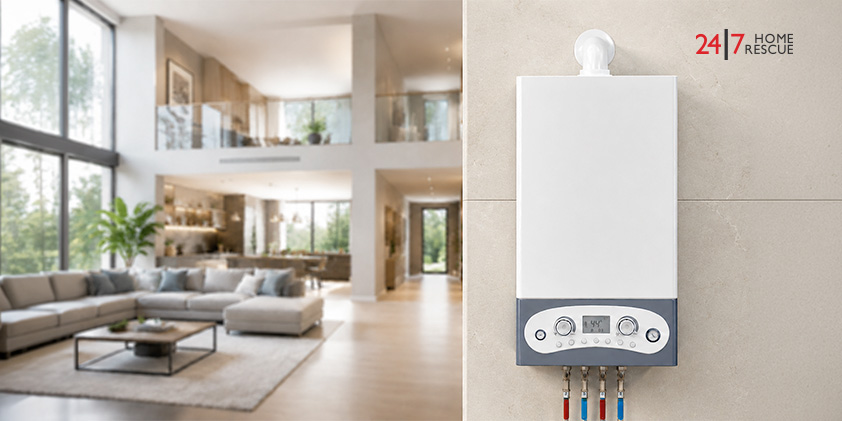
A frozen condensate pipe happens when the external plastic pipe carrying waste water from your boiler turns to ice in cold UK winters, blocking the flow, forcing condensate back and triggering a lockout, fault code or gurgling sound. Thaw it with a hot water bottle or warm water and reset your boiler.
This is one of the most common boiler problems in the UK every winter and one of the easiest to fix yourself. Every modern condensing boiler has this external plastic pipe, and when temperatures drop below freezing, it is the first thing to go. Most homeowners can fix it themselves without calling anyone out; if it keeps happening, it could point to a boiler breakdown.
Read on to find out how to spot, thaw and reset a frozen condensate pipe and stop it from freezing again.
What Is a Boiler Condensate Pipe?
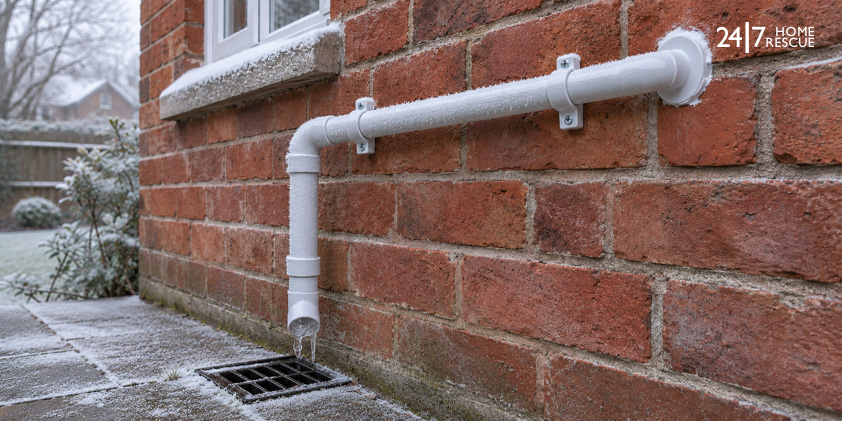
The condensate pipe carries wastewater from your boiler and drains it outside your house. Condensate forms when water vapour in the hot flue gases cools on the boiler’s heat exchanger; it is mildly acidic, which is why the pipe is plastic. Every condensing boiler in the UK has one.
Where Is the Condensate Pipe on My Boiler?
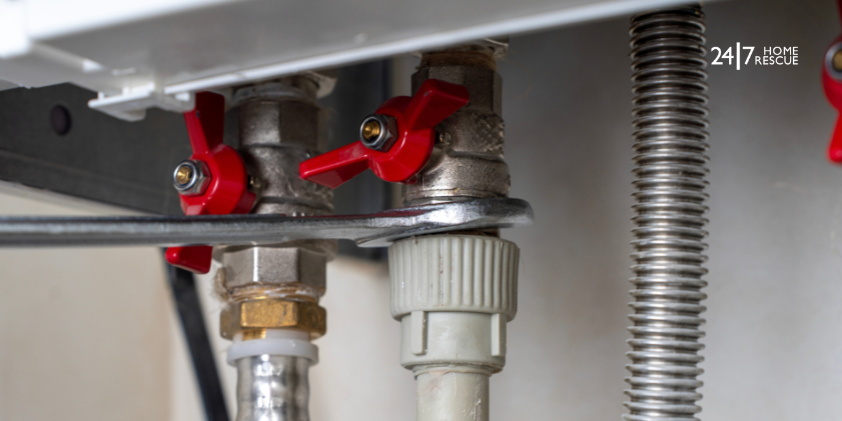
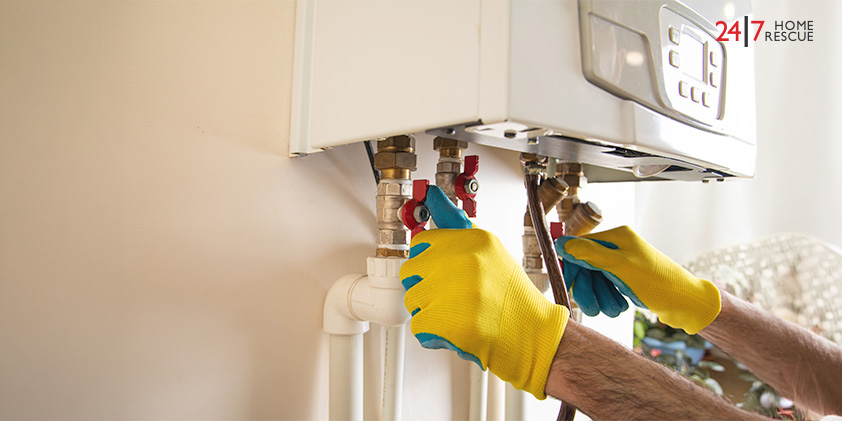
With multiple pipes running through your boiler, it could be confusing to locate the condensate pipe. But fortunately, the condensate pipe is easily recognisable because of its location and structure. Unlike other boiler pipes, a condensate pipe is made of plastic, usually white or black in colour, and leads outside the house.
How Does a Condensate Pipe Freeze?
As the condensate pipe lies outside the house, it can freeze when the temperature drops. When ice blocks the pipe, condensate backs up into the boiler, and it locks out as a safety measure. You may also hear a gurgling sound from the boiler or the pipe itself.
Frozen Condensate Pipe Symptoms
Here’s how to tell if your condensate pipe is frozen:
- Boiler stops working during freezing weather
- Fault code or flashing light on the display
- Gurgling noises from the boiler or pipe
- No heating or hot water
- Boiler was working fine before the cold snap
How to Recognise a Frozen Condensate Pipe?
If the pipe is frozen, your boiler will not start and will flash a warning or an error code on the display. You may also hear a gurgling sound from the boiler or the pipe itself. If your boiler was working fine before the cold snap, a frozen condensate pipe is the most likely cause.
The error code varies by brand. Here are the most common ones:
| Brand | Codes |
|---|---|
| Baxi | E133 or E28 |
| Potterton | E133 (display alternates between E1 and 33) |
| Ideal | L2, LF or F2 |
| Worcester Bosch | EA or EA229 |
| Vaillant | F28 or F29 |
| Glow-Worm | F28 or F29 |
| Viessmann | F4 |
Codes vary by model, always check your boiler manual.
How to Defrost a Condensate Pipe?
A frozen condensate pipe is not something to worry about, as this problem has an easy solution without any need for special tools or raw materials.
Step 1: Locate the Blockage
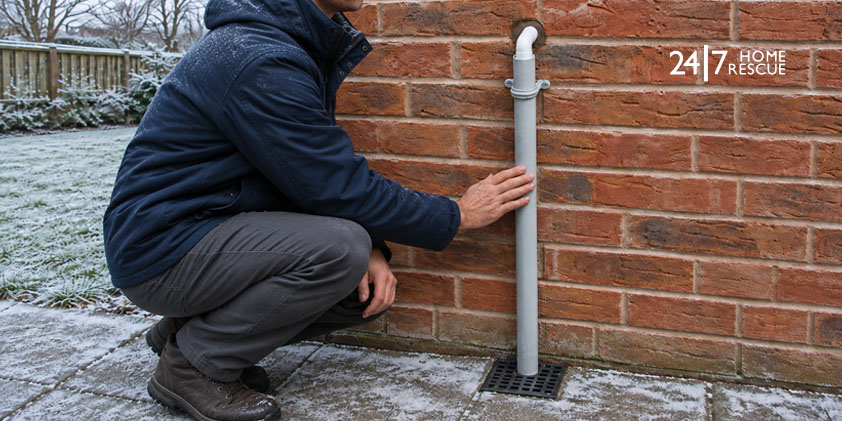
Find the freezing spot in the pipe; usually, the most exposed part of the pipe gets frozen. To find the problem, feel the pipe with your hand. You should be able to find the blocked part, as it will be colder than the rest of the pipe.
Step 2: Pour Hot Water Over the Frozen Spot
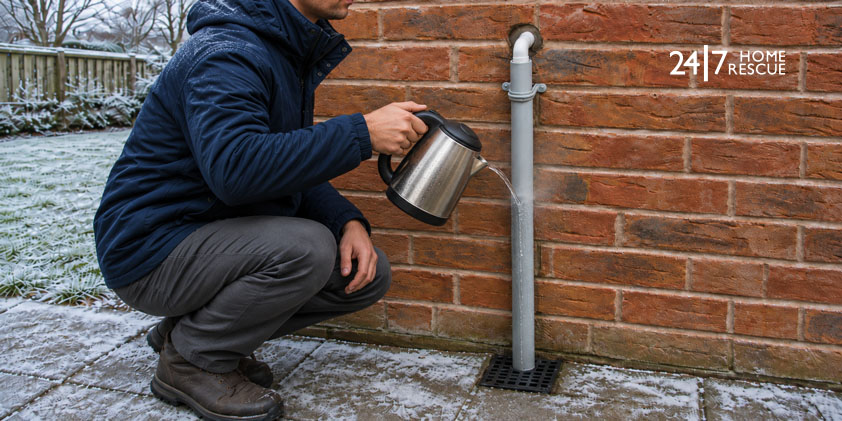
Fill a jug or watering can with warm water. Do not use boiling water, as it can crack or distort the pipe. Pour the water over the affected spot. For a better result, you can pour water all over the pipe until it unfreezes. If the frozen section is inside the house in a garage, loft, or cupboard, use a hot water bottle or warm cloth instead of pouring water.
Step 3: Restart your Boiler
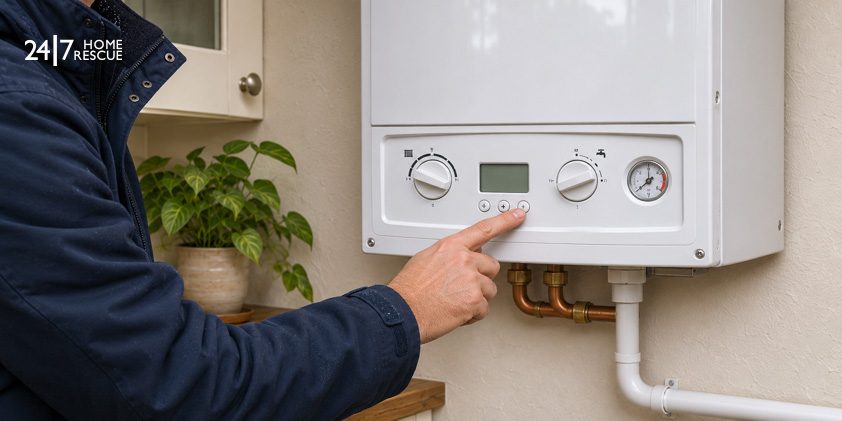
After the unfreezing, restart your boiler, and it should work fine. If it still shows the error code or doesn’t start, repeat the above process, as sometimes the freezing takes multiple pours of hot water to melt away completely.
What to Avoid When Thawing a Frozen Condensate Pipe
The following are the things to avoid when thawing a frozen condensate pipe:
- Never use boiling water; it can crack or distort the pipe
- Never climb a ladder, chair or bin to reach the pipe if it is out of safe reach; call an engineer
- Watch your footing; poured water can refreeze on the ground and make the surface slippery
- Keep water away from the boiler and any electrics
- Do not hit or force the pipe to break the ice
- Do not remove the boiler casing
What If Your Boiler Still Won’t Restart?
If you have thawed the pipe and reset the boiler but it is still not working, here are the most likely reasons:
- The pipe may still be partly frozen; repeat the thawing process and reset again
- The condensate trap inside the boiler may be blocked; this needs an engineer, not more hot water
- There may be a separate fault unrelated to the condensate pipe
If your boiler has switched itself off for a different reason or you have no hot water despite the heating working, the fault may be something else entirely. In that case, do not keep resetting the boiler, book a diagnosis with a Gas Safe engineer to get to the root of it.
When to Call a Gas Safe Engineer
Call 24|7 Home Rescue on 0345 3192 247 if:
- The pipe is out of safe reach
- The pipe is cracked or leaking
- The fault code will not clear after thawing
- The pipe keeps refreezing every winter
- You are not comfortable doing it yourself
Book a boiler repair or check our boiler cover options.
Get help with Boiler Repair & Cover from 24|7 Home Rescue: Book before 9 a.m. for a same-day engineer visit* *Subject to availability.Terms and Conditions apply. A same-day visit does not guarantee a same-day repair.Boiler still not working after thawing the pipe?
Can You Prevent Your Pipe from Freezing?
Yes, there are a few simple steps that can stop your condensate pipe from freezing.
Insulate the Condensate Pipe
Wrap the external section of the pipe in weatherproof lagging. Most DIY stores stock pipe insulation it is the cheapest and easiest fix.
Keep the Heating On During Cold Spells
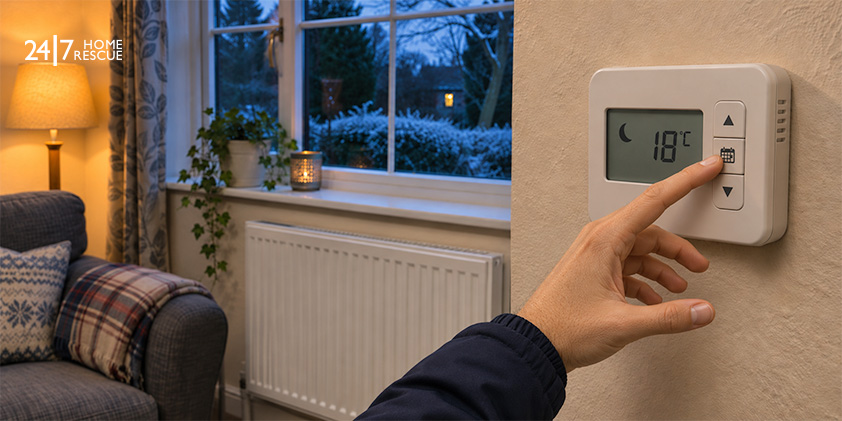
Leave your heating on a low setting overnight rather than switching it off completely. This keeps the pipe warm without a large increase in your energy bill.
Raise the Flow Temperature
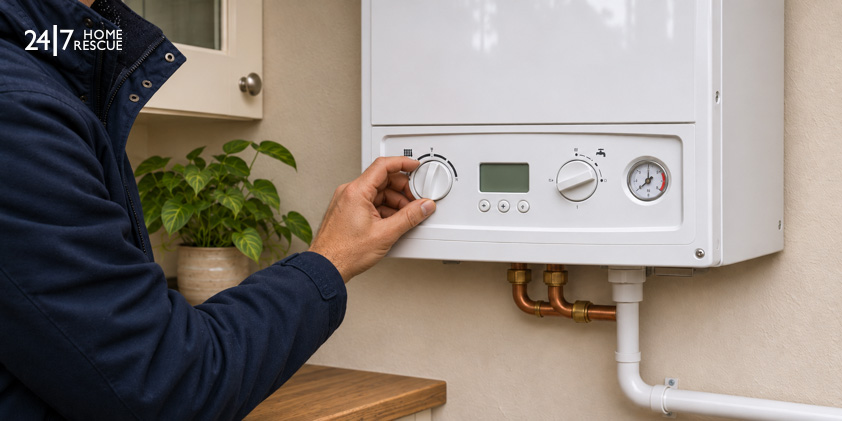
Turning the flow temperature up slightly on the boiler lowers the chance of the pipe freezing. This will increase your heating bills slightly, so only do it during cold spells.
Trace Heating
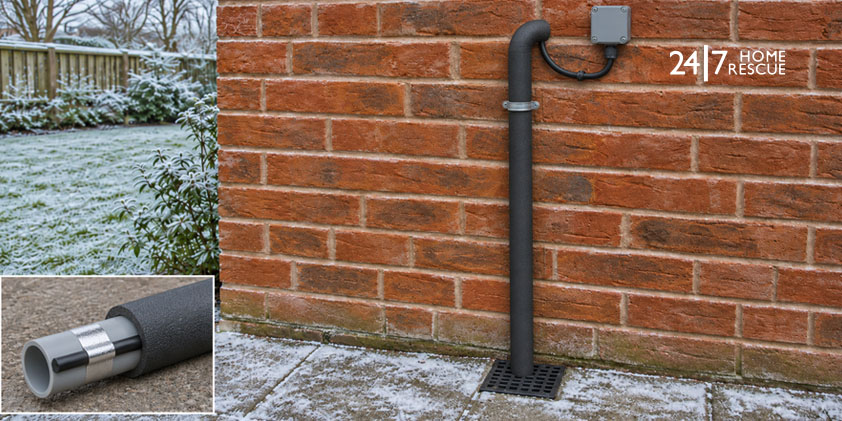
Trace heating is an electrical element fitted beneath the pipe that warms it up when temperatures drop. A Gas Safe engineer can fit it during a service visit.
Conclusion:
A frozen condensate pipe is one of the few boiler faults you can fix yourself, without taking anyone’s help. Thaw it, reset it and get your heating back on. If it keeps happening, your boiler needs attention before the next cold snap catches you out. Not sure what to do next? Contact us we are here for assistance. And if you want to stop worrying about boiler faults every winter, our boiler cover keeps you protected all year round.

Boiler Cover
Get boiler breakdown or landlord cover, including annual boiler service, so when any boiler fault strikes, a Gas Safe registered engineer is already on your side.
Frequently Asked Questions
Will my boiler restart automatically after thawing?
No. Once the pipe is clear, reset the boiler manually. Press the reset button, wait a few minutes and check the display for any remaining fault codes.
Can a frozen condensate pipe cause permanent damage?
Not usually. Thaw it quickly, and the pipe and boiler will be fine. Leave it too long, and the pipe can crack from the pressure of the ice. Check for splits before resetting the boiler.
Why does my condensate pipe keep freezing every winter?
The pipe is too exposed. A long external run, narrow pipe or lack of insulation are the most common causes. Insulating the pipe or having an engineer re-route it internally is the permanent fix.
Is a frozen condensate pipe covered by boiler cover?
It depends on your policy. Most 24|7 Home Rescue boiler cover includes call-outs for frozen condensate pipes. Check your policy documents or call 0345 3192 247 to confirm.
At 24|7 Home Rescue, we aim to keep our blogs accurate and helpful at the time of publication. However, details such as images, services, prices, offers, discounts, or related information may change over time. Content is provided for general information only and should not be taken as professional advice. For appliance- or boiler-specific guidance, always refer to your manufacturer’s user manual, as controls, settings and features may vary by brand and model. For the latest updates on our services, prices, and any available offers or discounts, please review our Terms & Conditions or contact us directly. 24|7 Home Rescue accepts no liability for any actions taken based on outdated or incomplete content. Our team is always happy to help with any questions.
Recent Posts
Popular Posts

24 Mar, 2015

13 Apr, 2015
Related Posts