Gas Safety Week 2026: 14–20 September – Take No Chances
Gas Safety Week 2026 runs from 14–20 September. Now in its 16th year, the campaign brings organisations across the gas industry together around one practical aim that helping people spot risks early and use gas appliances safely. This year’s theme, “Take No Chances,” puts the focus on action don’t ignore warning signs, check that the engineer is qualified for the job, and keep routine safety checks up to date.
What is Gas Safety Week?
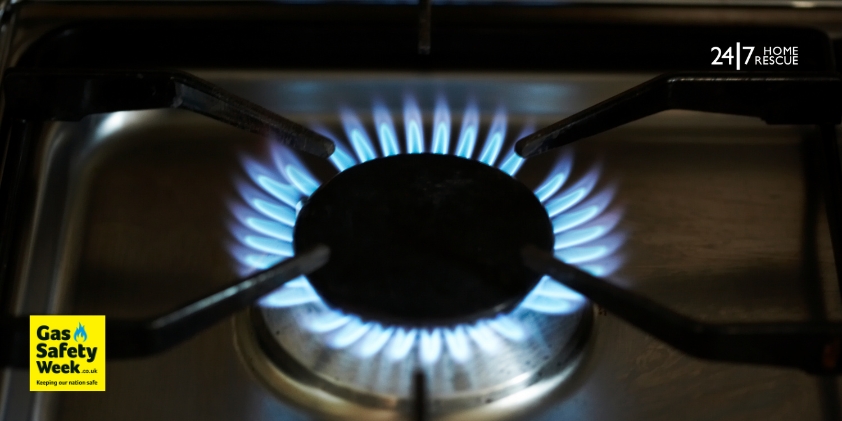
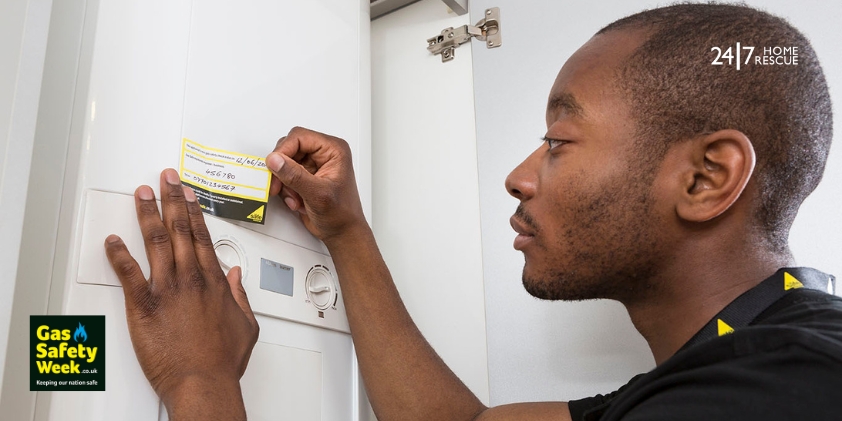
Gas Safety Week is an annual awareness campaign coordinated by the Gas Safe Register, the official register of businesses and engineers who are legally qualified to carry out gas work. The campaign highlights what can happen when appliances are unsafe or gas work is carried out incorrectly, from gas leaks and fires to explosions and carbon monoxide poisoning.
For households, the useful part of the campaign is practical, knowing what to look for, when to stop using an appliance and when to call a qualified engineer. Coming just before boilers typically return to heavier use, Gas Safety Week is also a timely prompt to deal with checks or faults before colder weather sets in.
This Year’s Theme: Take No Chances
The 2026 Take No Chances gas safety message comes down to one rule that if something about a gas appliance does not seem right, don’t ignore it. A fault that keeps returning, a new or unusual noise, an error message or another warning sign is a reason to get the appliance checked rather than hoping the problem clears on its own.
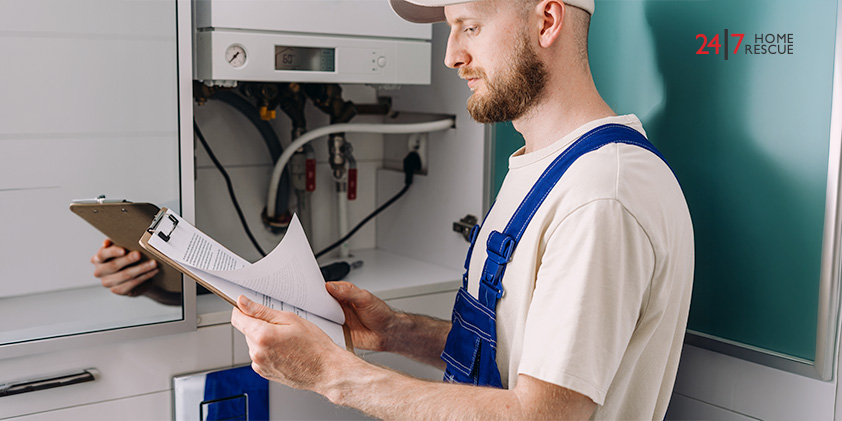
Gas work is not a DIY job. It must be carried out by a Gas Safe registered engineer who is qualified for the particular appliance or task. Before work starts, check both the engineer’s registration and the work categories shown on the back of their ID card as being registered does not automatically qualify an engineer for every type of gas work.

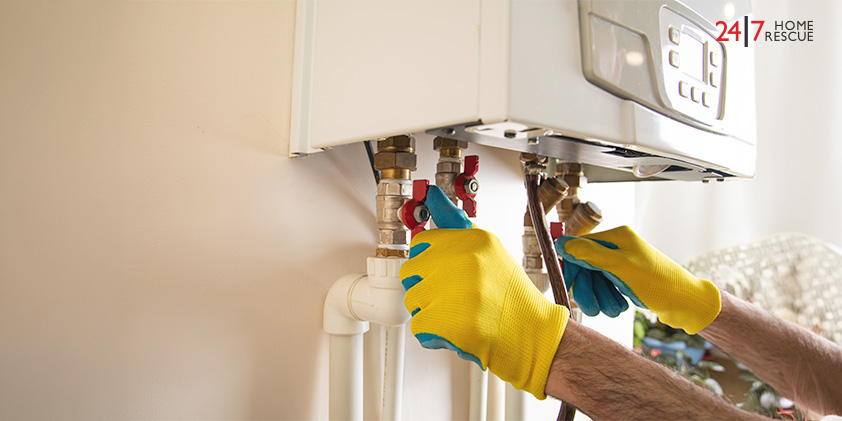
Boiler Service
Ensure your boiler runs efficiently and safely with our professional boiler servicing. Regular maintenance will save you money in the long run and potentially prevent breakdowns.
Simple Gas Safety Checks
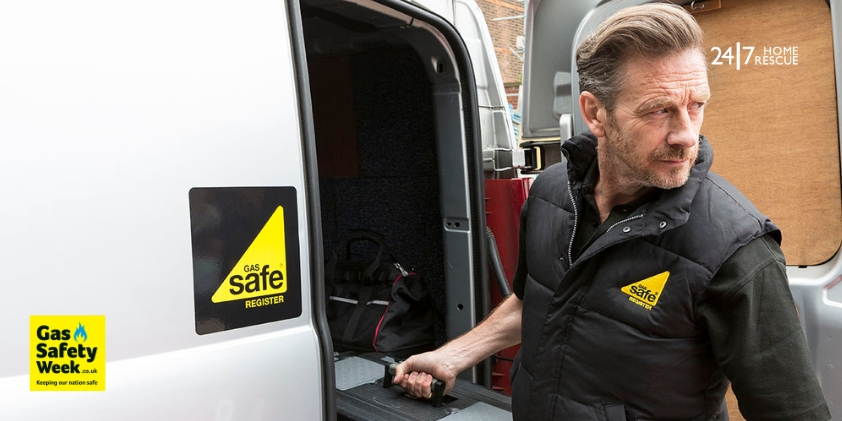
A few simple checks can make gas safety easier to stay on top of. Use this Gas Safety Week checklist as a quick review of the basics in your home:
- Check the engineer’s ID before work starts. Match the photograph and details on the front of the card, then check the expiry date and the types of work the engineer is qualified to do on the back. For an extra check, verify the engineer’s current seven-digit licence number through the official register.
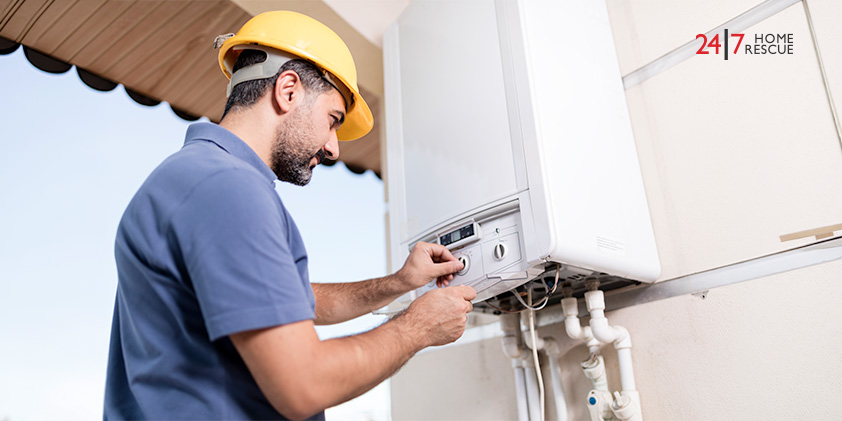
- Arrange regular professional maintenance. Gas Safe advises having gas appliances safety checked every year and serviced regularly. Follow the appliance manufacturer’s servicing guidance as well. Book a boiler service and gas safety check with a Gas Safe registered engineer.
- Test your CO alarm. Use the test button as often as the manufacturer recommends, replace batteries or the alarm itself when required, and check that the alarm carries the relevant British Standard marking, such as BS EN 50291 for domestic carbon monoxide alarms.
- Look for appliance warning signs. Watch for lazy yellow or orange flames instead of crisp blue ones, black or sooty marks around an appliance, a pilot light that repeatedly goes out, unusual condensation or error messages on the appliance. These signs do not tell you exactly what is wrong, but they are reasons not to ignore the appliance. If your boiler develops a fault, arrange a qualified boiler repair rather than attempting gas work yourself.
- Keep ventilation clear. Vents, chimneys and flues are there to help an appliance operate safely. Do not cover, block or obstruct them, even temporarily.
If you smell gas or suspect carbon monoxide, leave the property, get into fresh air and call the National Gas Emergency Service on 0800 111 999. Avoid flames and electrical switches, and open windows if it is safe to do so.
Why Carbon Monoxide Matters
Carbon monoxide is especially dangerous because it cannot be seen, smelt or tasted. Symptoms can include headache, dizziness, nausea, breathlessness, collapse and loss of consciousness. A useful warning sign is that symptoms improve after leaving the property or several people become unwell at the same time. An audible CO alarm adds an important layer of protection, but it does not replace correct installation, regular maintenance or servicing.
Keep Your Home Safe All Year
Gas safety works best as a routine, not something considered only during one week of the year. Keep a note of when your boiler and other gas appliances were last checked or serviced, test your CO alarm in line with its instructions, and act when an appliance starts behaving differently instead of waiting for the problem to worsen.
For owner-occupiers, regular gas appliance checks are strongly recommended. Landlords have specific legal duties as gas appliances and flues they provide for tenants must receive an annual gas safety check, and the latest Gas Safety Record must be given to existing tenants within 28 days of the check and to new tenants before they move in. Find out more or book a landlord gas safety certificate.
Booking a service before winter can help uncover developing issues before your heating is working at its hardest. Boiler cover can also provide support for eligible heating or hot-water breakdowns, depending on the policy’s terms, limits, exclusions and excess. This Gas Safety Week, take no chances: check, test and book the professional help your home needs. Prepare for winter with an annual boiler service completed by a Gas Safe registered 24|7 Home Rescue engineer.

CP12 Certificate
Ensure compliance with a CP12 certificate inspected by Gas Safe engineers. Get our Landlord Boiler Cover, including a CP12 certificate.
Frequently Asked Questions
When is Gas Safety Week 2026?
Gas Safety Week 2026 runs from Monday 14 September to Sunday 20 September 2026.
What is the 2026 Gas Safety Week theme?
The Gas Safety Week 2026 theme is “Take No Chances.” The message is practical do not ignore signs that something may be wrong and make sure anyone carrying out gas work is both Gas Safe registered and qualified for that specific job.
Do I legally need an annual gas safety check?
UK owner-occupiers are strongly advised to have gas appliances checked regularly, but the specific annual legal duty generally applies to landlords for the appliances and flues they provide for tenants. Those checks must be arranged every 12 months through a Gas Safe registered engineer, with the required Gas Safety Record provided to tenants.
At 24|7 Home Rescue, we aim to keep our blogs accurate and helpful at the time of publication. However, details such as images, services, or related information may change over time. Content is provided for general information only and should not be taken as professional advice. For appliance- or boiler-specific guidance, always refer to your manufacturer’s user manual, as controls, settings and features may vary by brand and model. For the latest updates on our services, please review our Terms & Conditions or contact us directly. 24|7 Home Rescue accepts no liability for any actions taken based on outdated or incomplete content. Our team is always happy to help with any questions.
Recent Posts
08 Sep, 2026
Popular Posts

24 Mar, 2015


13 Apr, 2015
Related Posts