Changing from Conventional Boiler to Combi Boiler
The most effective way of upgrading the heating system in your home is to replace a conventional boiler to a combi boiler. By removing the need for a hot water cylinder and cold-water storage tank, a combi boiler can free up valuable space while providing hot water whenever you need it. Here, you will get to know how the conversion works, what to expect during the process, and whether switching to a combi boiler is the right choice for your home.
What Is the Difference Between a Conventional and Combi Boiler?
The main differences between a conventional and combi boiler come down to storage, space, water supply, and how hot water is delivered.
| Features | Conventional Boiler | Combi Boiler |
|---|---|---|
| Hot Water delivery | Stored in a cylinder | Instant from the mains |
| Space required | Cylinder + tank + boiler | Boiler only |
| Efficiency | Around 70% (older systems) | 90% or more (modern A-rated) |
| Hot water supply | Limited by stored hot water | Hot water always available on demand (subject to main water pressure) |
Why Switch from a Conventional Boiler to a Combi?
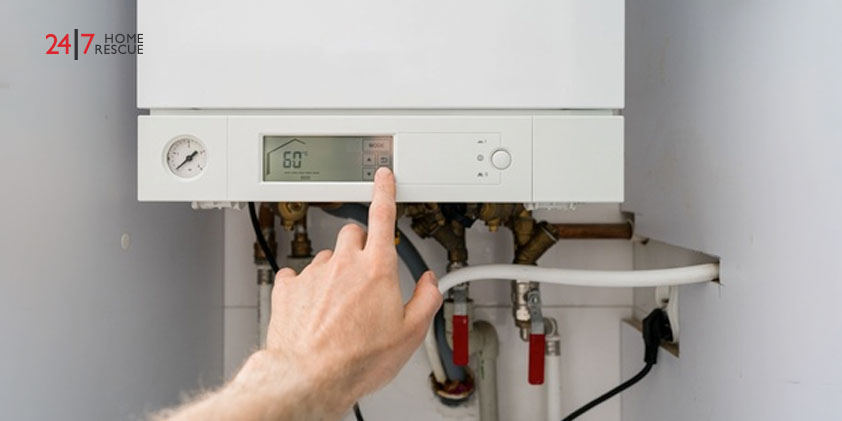
Switching from a conventional boiler to a combi boiler provides several benefits to many UK households.
Space: removing the cylinder and cold-water tank frees an entire airing cupboard and clears the loft
Efficiency: Modern condensing boilers achieve efficiency rates of over 90%, while older non-condensing gas boilers often operate at 60% efficiency, meaning a significant amount of energy is wasted. Find out boiler efficiency
Convenience: Hot water is available on demand, without needing to wait for a cylinder to reheat.
Simpler system: fewer components, fewer points of failure.
How Much Does It Cost to Replace a Conventional Boiler with a Combi?
The cost of replacing a conventional boiler with a combi in the UK typically ranges from £2,500 to £4,500. This will depend on the boiler size, type and model, the complexity of the installation, whether the boiler is being relocated, and the labour charges. For a full breakdown of costs, visit our new boiler cost guide. When replacing a water tank system, the removal of the old water tank and cylinder is typically part of a complete conversion quote, so be sure to request an itemised quote before committing.
Does a Combi Boiler Save Money on Energy Bills?
A combi boiler can reduce your heating costs as it will only heat water when required instead of using a separate hot water cylinder which would be heated continuously. This helps to keep energy waste to a minimum and can enhance overall heating system efficiency.
Depending on the quality of insulation in your house, its use, and the type of boiler, you may be able to save on energy bills by reducing energy loss. While these costs are very different for each home, many people have been able to save money on their running costs when they install a new combi boiler. According to the Energy Saving Trust, replacing an old G-rated boiler with a new A-rated condensing combi boiler can significantly reduce your home’s energy bills.
The Conversion Process from Conventional to a Combi Boiler
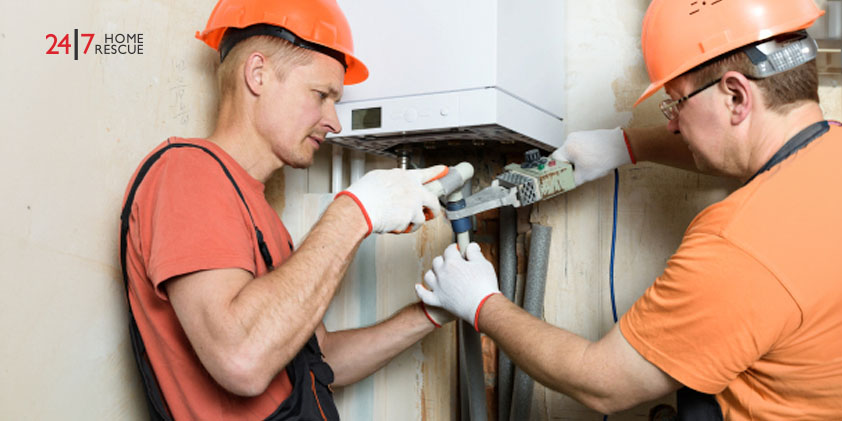
The conversion process usually takes one to two days, but it can take longer if the installation is more complex. This is done by removing the old boiler, hot water cylinder, and cold-water tank, making the necessary pipework adjustments and then fitting the new combi boiler.
Once installed, the system is flushed to remove sludge and debris from the heating system, and the system is then tested and commissioned with the new boiler. Installation should only be carried out by a Gas Safe registered engineer, and the Building Control should be notified for the installation to comply with the requirements of the Gas Safety (Installation and Use) Regulations 1998.
When Should You Switch from a Conventional Boiler to a Combi?
If your conventional boiler is showing any of the following signs, it may be time to consider a replacement:
- Your boiler is becoming less efficient.
- Repair costs are increasing and becoming uneconomical; consider a boiler repair assessment before committing to a full replacement.
- Energy bills are rising without a change in usage.
- Heating or hot water has become unreliable.
- Your boiler breaks down more frequently.
- The flame is not blue, but yellow or orange. If this happens, seek advice from a Gas Safe registered engineer immediately.
If your boiler goes beyond economic repair, it’s usually best to install a new combi boiler in the long term. Adding a boiler cover and getting a boiler service once a year can help ensure your new boiler is operating safely and efficiently. Learn more about boiler lifespan.
Ready to Make the Switch
Upgrading from a conventional boiler to a combi boiler is an investment in your home heating system. If your current boiler is not performing effectively or is costly to maintain, switching to a combi boiler can be the right decision to enhance your home comfort and reduce energy bills.
At 24|7 StayWarm, our team can help you find the right combi boiler and carry out a professional new boiler installation. Get in touch today to discuss your options.

Boiler Insurance You Can Trust
Get boiler breakdown and landlord cover including free annual boiler service.
Choose your policy type
FAQs
How much does it cost to replace a conventional boiler with a combi?
The prices of replacing a conventional boiler with a combi boiler range from £2,500 to £4,500 in the UK, depending on the boiler model, installation complexity, and location. If you are looking for a reliable and affordable boiler installation, contact 24|7 StayWarm.
Are combi boilers better than conventional boilers?
For most UK households, yes. Modern combi boilers are more efficient, require less space and provide instant hot water on demand without the need for a cylinder or cold-water tank.
Can I convert from a conventional boiler to a combi boiler myself?
No, you cannot convert from a conventional boiler to a combi boiler by yourself. Boiler installation must be carried out by a Gas Safe registered engineer under the Gas Safety (Installation and Use) Regulations 1998. Unregistered work is not legal or safe.
Do I need to notify anyone when replacing my boiler?
Yes, Building Control must be notified when a new boiler is installed to ensure the work complies with the Gas Safety (Installation and Use) Regulations 1998. Your Gas Safe registered engineer will usually handle this on your behalf.
At 24|7 Home Rescue, we aim to keep our blogs accurate and helpful at the time of publication. However, details such as images, services, or related information may change over time. Content is provided for general information only and should not be taken as professional advice. For appliance- or boiler-specific guidance, always refer to your manufacturer’s user manual, as controls, settings and features may vary by brand and model. For the latest updates on our services, please review our Terms & Conditions or contact us directly. 24|7 Home Rescue accepts no liability for any actions taken based on outdated or incomplete content. Our team is always happy to help with any questions.
Recent Posts
Popular Posts

24 Mar, 2015


13 Apr, 2015
Related Posts